
Picture

When it comes to safeguarding your home’s electrical system, fuses and circuit breakers are essential components. Both protect against electrical overloads that could lead to damage or even fires, but they operate in slightly different ways. At DWUTAH and Ogden Electrical, we want homeowners to have a clear understanding of these protective devices, how they function, and when they might need to be replaced or upgraded.
What is a Fuse?A fuse is a simple yet effective device that interrupts the flow of electricity if an overload occurs. Inside each fuse is a small strip of metal that melts when the electrical current exceeds a safe level. When this happens, the circuit is broken, preventing excess current from damaging the wiring or appliances in your home. However, because the metal strip physically melts, a blown fuse must be replaced with a new one each time an overload occurs.
Pros of Fuses:

Cons of Fuses:

What is a Circuit Breaker?A circuit breaker, unlike a fuse, is a reusable switch that automatically interrupts the flow of electricity when an overload or short circuit is detected. Instead of melting like a fuse, the breaker “trips,” breaking the circuit and stopping the flow of electricity. Once the issue has been addressed, the circuit breaker can simply be reset, making it a convenient and long-lasting solution for many homes and businesses.
Pros of Circuit Breakers:

Cons of Circuit Breakers:

Key Differences Between Fuses and Circuit Breakers

  1. Operation: Fuses use a one-time metal strip that melts to interrupt the flow of electricity, whereas circuit breakers use an internal switch that can be reset.
  2. Reusability: Circuit breakers can be reset and reused, making them more convenient for modern homes, while fuses need to be replaced after each overload.
  3. Response Time: Fuses often respond faster than circuit breakers, which can make them ideal for very sensitive equipment, but circuit breakers are usually more practical for household use.
  4. Suitability for High-Demand Systems: Circuit breakers are typically better suited for handling the electrical loads of modern homes.

Which Should You Choose?While both fuses and circuit breakers are effective at protecting against electrical overloads, circuit breakers have become the standard in most modern electrical systems. They are easier to manage, reusable, and well-suited for homes with high power demands. Fuses, however, still serve a purpose in specific situations and may still be used in some older homes and appliances.
If you’re unsure about whether your home is best served by fuses or circuit breakers, or if you’re considering an electrical upgrade, DWUTAH and Ogden Electrical are here to help. Our team of licensed electricians can assess your current system, provide expert recommendations, and ensure that your home’s electrical system is safe, up-to-date, and ready to handle your needs.

Need Assistance with Your Electrical System? Contact DWUTAH / Ogden Electrical Today!
Whether you’re considering an upgrade or simply have questions, our team is here to ensure your home remains safe and efficient.
https://www.facebook.com/v2.6/plugins/like.php?action=like&app_id=190291501407&channel=https%3A%2F%2Fstaticxx.facebook.com%2Fx%2Fconnect%2Fxd_arbiter%2F%3Fversion%3D46%23cb%3Dfc68d9cbd62485aa3%26domain%3Dwww.dwutah.com%26is_canvas%3Dfalse%26origin%3Dhttps%253A%252F%252Fwww.dwutah.com%252Ffec4fb971f56c3d5c%26relation%3Dparent.parent&container_width=0&href=https%3A%2F%2Fwww.dwutah.com%2F1%2Fpost%2F2024%2F11%2Fwhat-is-the-difference-between-a-fuse-and-a-circuit-breaker.html&layout=button_count&locale=en_US&sdk=joey&share=false&show_faces=false&width=90

https://platform.twitter.com/widgets/tweet_button.1227a5674072e080ffb1ba14ac0c1079.en.html#dnt=false&id=twitter-widget-2&lang=en&original_referer=https%3A%2F%2Fwww.dwutah.com%2Fblog%2Fprevious%2F5&size=m&text=%20What%20is%20the%20Difference%20Between%20a%20Fuse%20and%20a%20Circuit%20Breaker%3F%20-%20DW%20Utah%20Home%20Services%2C%20LLC&time=1778499817545&type=share&url=https%3A%2F%2Fwww.dwutah.com%2F1%2Fpost%2F2024%2F11%2Fwhat-is-the-difference-between-a-fuse-and-a-circuit-breaker.html

Picture

Electrical issues in the home can be frustrating and potentially dangerous if not handled properly. Knowing how to troubleshoot common problems safely and effectively is valuable knowledge for any homeowner. Here are some typical electrical issues you might encounter, along with tips on how to troubleshoot them. Remember, if an issue seems beyond your expertise or you’re unsure, it’s always best to call a professional like DWUTAH / Ogden Electrical for assistance.
1. Tripped Circuit BreakerOne of the most common electrical problems homeowners face is a tripped circuit breaker, often caused by an overload when too many appliances are used at once.
Troubleshooting Steps:

2. Flickering or Dimming LightsFlickering or dimming lights can be a sign of several issues, from a loose bulb to more serious wiring problems.
Troubleshooting Steps:

3. Frequent Bulb BurnoutsIf you notice that bulbs burn out more quickly than expected, there might be an underlying problem with your electrical system.
Troubleshooting Steps:

4. Dead OutletsFinding an outlet that doesn’t work can be inconvenient. This could be due to a tripped GFCI outlet, a tripped breaker, or even a wiring issue.
Troubleshooting Steps:

5. High Electric BillsUnexplained increases in your electric bill can indicate an electrical issue, from an inefficient appliance to a wiring problem.
Troubleshooting Steps:

6. Light Switches Not Working ProperlySometimes light switches can feel loose, fail to turn on a light, or even make crackling sounds. This can be a sign of wear and tear or a wiring issue.
Troubleshooting Steps:

Know When to Call a ProfessionalWhile basic troubleshooting can resolve some electrical issues, it’s essential to know your limits. Electrical systems can be dangerous if mishandled, so if you’re uncertain or the problem persists, it’s best to reach out to DWUTAH / Ogden Electrical. Our team of licensed electricians can safely diagnose and repair electrical issues to keep your home safe and functional.

Need Help with Your Electrical Problems? Contact DWUTAH / Ogden Electrical Today!
We’re here to ensure that your home’s electrical system is safe, efficient, and reliable. For expert troubleshooting and repair, give us a call.
https://www.facebook.com/v2.6/plugins/like.php?action=like&app_id=190291501407&channel=https%3A%2F%2Fstaticxx.facebook.com%2Fx%2Fconnect%2Fxd_arbiter%2F%3Fversion%3D46%23cb%3Dff4ff2bb3ea2153d2%26domain%3Dwww.dwutah.com%26is_canvas%3Dfalse%26origin%3Dhttps%253A%252F%252Fwww.dwutah.com%252Ffec4fb971f56c3d5c%26relation%3Dparent.parent&container_width=0&href=https%3A%2F%2Fwww.dwutah.com%2F1%2Fpost%2F2024%2F11%2Fhow-to-troubleshoot-common-electrical-problems-in-your-home.html&layout=button_count&locale=en_US&sdk=joey&share=false&show_faces=false&width=90

https://platform.twitter.com/widgets/tweet_button.1227a5674072e080ffb1ba14ac0c1079.en.html#dnt=false&id=twitter-widget-1&lang=en&original_referer=https%3A%2F%2Fwww.dwutah.com%2Fblog%2Fprevious%2F5&size=m&text=How%20to%20Troubleshoot%20Common%20Electrical%20Problems%20in%20Your%20Home%20-%20DW%20Utah%20Home%20Services%2C%20LLC&time=1778499817544&type=share&url=https%3A%2F%2Fwww.dwutah.com%2F1%2Fpost%2F2024%2F11%2Fhow-to-troubleshoot-common-electrical-problems-in-your-home.html

Picture

Working with electricity requires a strict focus on safety, as even minor errors can lead to severe injuries or damage. At DWUTAH / Ogden Electrical, we follow essential safety protocols to ensure our work is as safe and effective as possible. Here are some key safety procedures we always adhere to:
1. Power Off and Lockout/Tagout (LOTO) ProceduresBefore starting any work on an electrical system, we always turn off the power at the main breaker panel. This step prevents accidental electrocution and ensures the system is de-energized. Using a Lockout/Tagout (LOTO) procedure, we lock the breaker and place a tag on it to inform others that work is being conducted, ensuring no one accidentally turns the power back on.
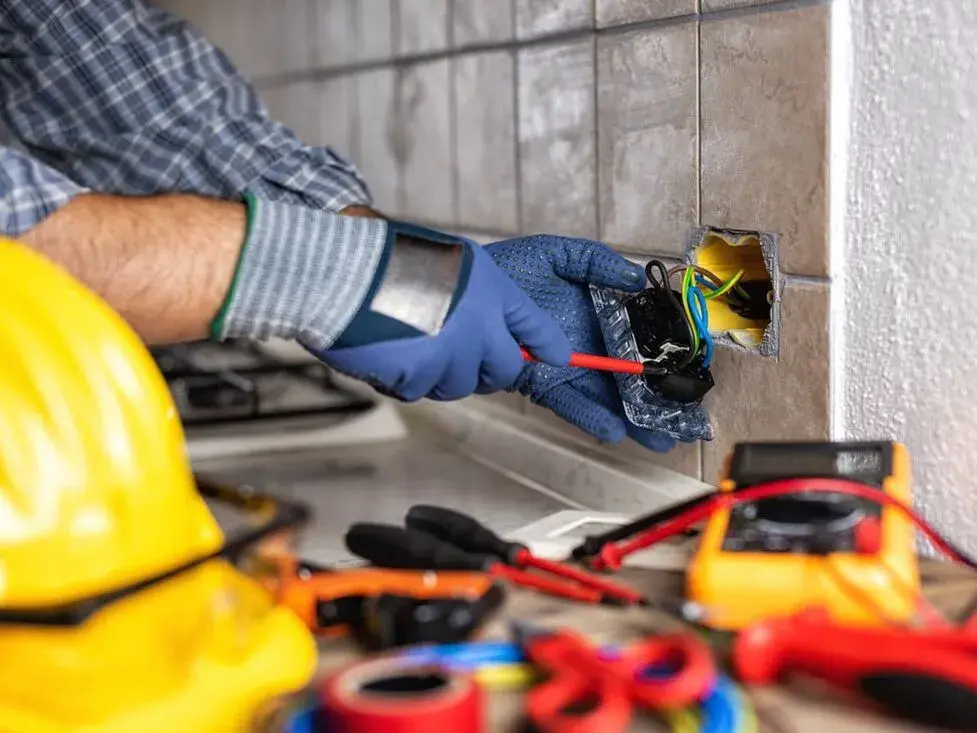
2. Use of Personal Protective Equipment (PPE)Appropriate PPE is essential for electrical safety. We always wear insulated gloves, safety glasses, and protective footwear to minimize risk. Depending on the job’s complexity, additional gear like flame-resistant clothing, hearing protection, or a face shield may also be used.
3. Verify Power is Off with Testing EquipmentEven after turning off the power, we double-check that the circuit is de-energized by using a non-contact voltage tester or multimeter. This step confirms that no residual power remains in the system before we begin working.
4. Follow National Electrical Code (NEC) GuidelinesWe adhere to the NEC guidelines to ensure our work meets industry standards for safety. These guidelines outline specific requirements for installation, grounding, circuit protection, and more, minimizing potential risks and ensuring compliance with regulatory standards.
5. Work with Insulated ToolsUsing insulated tools is crucial for protection, especially when working in areas where accidental contact with live parts may occur. Insulated tools provide an extra layer of protection against shock and reduce the risk of short circuits.
6. Use Proper Ladders and EquipmentFor jobs that require height, we use non-conductive fiberglass ladders instead of metal ones. Metal ladders can conduct electricity, increasing the risk of shock. Using the right equipment for each task is essential for a safe working environment.
7. Avoid Wet ConditionsWater and electricity are a dangerous combination. We ensure the work area is dry, and we avoid working with electrical components in wet conditions. If outdoor work is necessary, we postpone it during rain or other wet weather, or take precautions to ensure the workspace is completely dry.
8. Ensure Proper GroundingProper grounding is crucial to prevent electrical shocks. We verify that the system is correctly grounded and that all circuits, outlets, and equipment meet grounding standards. Grounding creates a safe path for excess electricity, reducing the risk of shock and equipment damage.
9. Maintain Clear CommunicationIf working with a team, we maintain clear communication to ensure everyone is aware of procedures, equipment status, and any potential hazards. Proper communication helps prevent accidents and ensures the entire team is aligned with safety practices.
10. Stay Up-to-Date with TrainingElectrical safety procedures and codes can change. We stay current with the latest safety training and certifications to ensure that every job we undertake follows the most recent guidelines. Regular training sessions keep our team updated on best practices and emerging technologies.

By following these safety procedures, we protect ourselves, our clients, and their property. For any electrical work, especially complex or high-risk tasks, remember that professional assistance is the safest option. At DWUTAH / Ogden Electrical, safety is our top priority, and we’re committed to providing reliable and secure services for every project.

Welcome to WordPress. This is your first post. Edit or delete it, then start writing!

Trust DW Utah Home Services LLC for safe, efficient, and high-quality solutions that keep your home and business running smoothly. Your satisfaction and safety are our top priorities.
crossmenuchevron-down