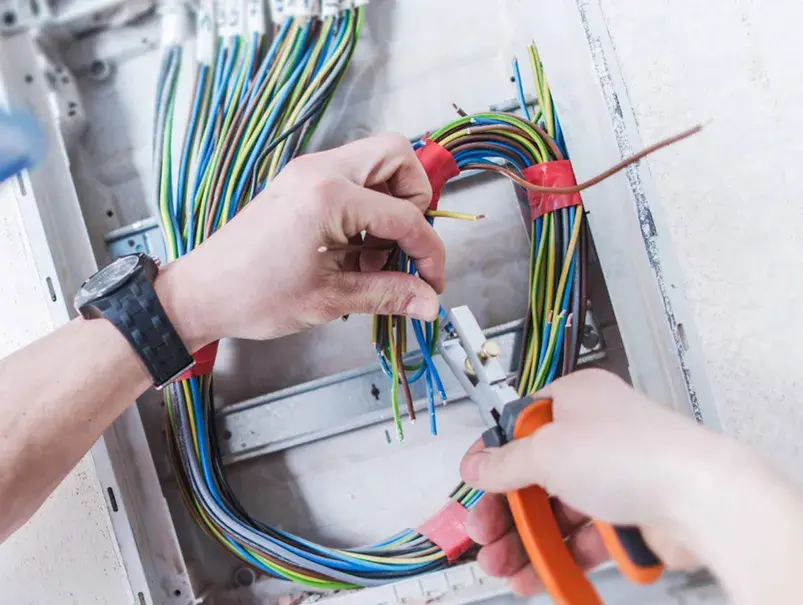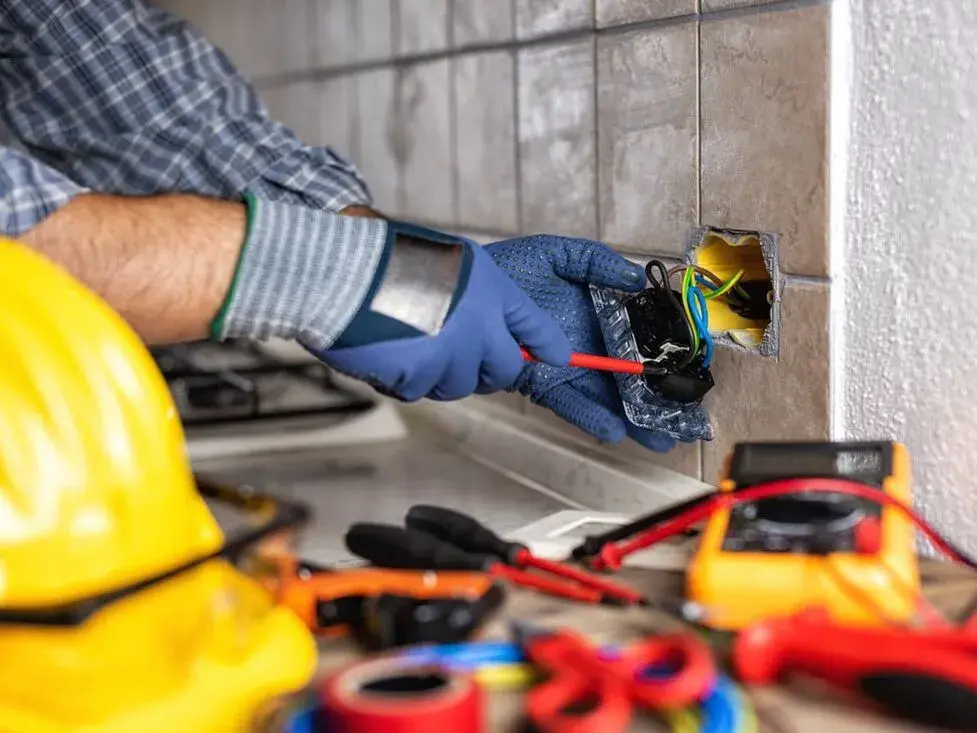

When it comes to electrical work in your home or business, safety, reliability, and quality should be your top priorities. While it might be tempting to tackle electrical projects yourself or hire an unlicensed handyman to save a few bucks, the risks far outweigh the benefits. Here’s why you should always hire a licensed electrician for your next project. 1. Safety FirstElectrical work is inherently dangerous. Licensed electricians undergo extensive training to handle electrical systems safely. Here’s why hiring a professional is crucial for your safety:
Proper Training and Knowledge: Licensed electricians are trained to understand complex electrical systems and identify potential hazards. They know how to work safely with high-voltage equipment and adhere to safety protocols.
Preventing Electrical Fires: Faulty wiring and improper installations are leading causes of electrical fires. A licensed electrician ensures that all work is done correctly and safely, reducing the risk of fire.
Avoiding Electric Shock: Handling electrical components without proper knowledge can lead to severe electric shocks. Professionals have the expertise to avoid such dangerous situations.
2. Code ComplianceElectrical work must comply with local building codes and regulations to ensure safety and functionality. Licensed electricians are familiar with these codes and ensure all work meets legal standards:
Up-to-Date Knowledge: Codes and regulations frequently change. Licensed electricians stay updated on the latest requirements to ensure your project is compliant.
Passing Inspections: Electrical work often requires inspection by local authorities. Hiring a licensed electrician ensures your project will pass inspection, avoiding potential fines and delays.
Insurance Requirements: Many insurance policies require that electrical work be performed by a licensed professional. Non-compliance can lead to denied claims in case of an accident or fire.
3. Quality WorkmanshipQuality workmanship is essential for the longevity and reliability of your electrical system. Licensed electricians bring a high level of expertise and professionalism to every project:
Attention to Detail: Licensed electricians take pride in their work, ensuring every detail is handled with precision and care.
Troubleshooting Skills: Professionals can quickly diagnose and fix issues, preventing small problems from becoming major headaches.
Reliable Results: When you hire a licensed electrician, you can trust that the work will be done right the first time, saving you time and money in the long run.
4. Cost-EffectivenessWhile hiring a licensed electrician may seem more expensive upfront, it’s a cost-effective choice in the long run:
Avoiding Costly Mistakes: Improper electrical work can lead to expensive repairs and replacements. Licensed electricians ensure the job is done correctly, preventing costly mistakes.
Saving on Tools and Equipment: Professional electricians come equipped with all the necessary tools and materials, saving you the expense of purchasing specialized equipment.
Efficient Work: Licensed electricians work efficiently, minimizing disruptions and completing projects on time and within budget.
5. Peace of MindHiring a licensed electrician provides peace of mind, knowing your electrical system is in capable hands:
Warranty and Insurance: Licensed electricians often provide warranties on their work, giving you added protection and confidence in their services.
Professional Accountability: Licensed professionals are held to high standards and are accountable for their work. If something goes wrong, they are responsible for making it right.
Customer Support: Professional electricians offer ongoing support and maintenance services, ensuring your electrical system remains safe and functional for years to come.
ConclusionWhen it comes to electrical work, cutting corners can lead to dangerous and costly consequences. Hiring a licensed electrician ensures the job is done safely, correctly, and in compliance with all regulations. Don’t take risks with your electrical system—invest in professional expertise for your next project.
In today's world, energy conservation is more important than ever. Not only does it help protect the environment, but it also significantly reduces your electricity bills. At DWUtah, located in Weber County, Utah, we understand the need for practical and effective energy-saving strategies. In this blog post, we will share a comprehensive guide to help you conserve energy in your home. From using energy-efficient appliances to making smart lighting choices and incorporating smart home devices, these tips will help you save money and reduce your carbon footprint. 1. Upgrade to Energy-Efficient AppliancesBenefits of Energy-Efficient AppliancesEnergy-efficient appliances are designed to use less electricity while providing the same level of performance as their traditional counterparts. These appliances not only reduce your energy consumption but also lower your monthly utility bills. Key Appliances to Consider
Refrigerators: Look for models with the ENERGY STAR label, which consume up to 15% less energy than non-certified models.
Washing Machines: Front-loading washers typically use less water and energy compared to top-loading models.
Dishwashers: ENERGY STAR-certified dishwashers use advanced technology to clean dishes efficiently while using less water and energy.
Tips for Selecting Energy-Efficient Appliances
Check Energy Ratings: Always look for the ENERGY STAR label and compare the energy usage of different models.
Consider Size: Choose appliances that are appropriately sized for your needs to avoid unnecessary energy consumption.
Read Reviews: Research and read reviews to ensure you’re selecting appliances that are both energy-efficient and reliable.
2. Optimize Your Lighting ChoicesSwitch to LED BulbsLED bulbs are significantly more energy-efficient than traditional incandescent bulbs. They use up to 75% less energy and last up to 25 times longer, making them a smart investment for any home. Implement Smart Lighting SolutionsSmart lighting systems allow you to control your lights remotely, set schedules, and even adjust the brightness and color. These features help reduce energy usage and enhance convenience. Tips for Efficient Lighting
Use Natural Light: Maximize the use of natural light during the day by opening curtains and blinds.
Install Dimmer Switches: Dimmer switches give you control over the brightness of your lights, helping to save energy and create the desired ambiance.
Turn Off Lights: Make it a habit to turn off lights when leaving a room to prevent unnecessary energy consumption.
3. Utilize Smart Home DevicesBenefits of Smart Home TechnologySmart home devices offer advanced control over your home’s energy usage. From thermostats to lighting systems, these devices can be programmed to optimize energy consumption and provide real-time data on usage patterns. Key Smart Devices to Consider
Smart Thermostats: Devices like the Nest Thermostat learn your schedule and adjust temperatures automatically to save energy. They can reduce heating and cooling costs by up to 10-15%.
Smart Plugs: These plugs allow you to control appliances remotely and set schedules to ensure they’re only on when needed.
Home Energy Monitors: These monitors track your energy usage in real time, helping you identify areas where you can cut back.
Tips for Using Smart Home Devices
Program Your Thermostat: Set your thermostat to lower temperatures when you’re asleep or away from home.
Use Smart Plugs Strategically: Plug in devices that consume a lot of energy or are often left on, such as space heaters or entertainment systems.
Monitor Usage: Regularly check your home energy monitor to identify high-usage periods and adjust your habits accordingly.
4. Improve Home InsulationImportance of Proper InsulationGood insulation helps maintain a consistent temperature in your home, reducing the need for heating and cooling. This not only conserves energy but also increases comfort. Areas to Insulate
Attics and Basements: These areas are often major sources of heat loss. Adding insulation can significantly reduce energy consumption.
Walls and Floors: Ensure walls and floors are well-insulated to prevent heat from escaping.
Windows and Doors: Use weatherstripping and caulk to seal gaps around windows and doors.
Tips for Effective Insulation
Conduct an Energy Audit: Have a professional, like those at DWUtah, perform an energy audit to identify areas needing insulation improvement.
Choose the Right Materials: Use high-quality insulation materials suitable for different areas of your home.
Regular Maintenance: Check insulation periodically and replace or repair as needed to maintain effectiveness.
5. Practice Energy-Saving HabitsSimple Daily PracticesSmall changes in your daily habits can lead to significant energy savings over time. Being mindful of your energy consumption and adopting new practices can make a big difference. Tips for Daily Energy Savings
Unplug Devices: Many devices consume energy even when turned off. Unplug chargers, appliances, and electronics when not in use.
Use Energy-Saving Settings: Set your computer, TV, and other devices to energy-saving modes when idle.
Limit Space Heater Use: Only use space heaters in occupied rooms and keep the doors closed to contain the heat.
6. Maintain Your HVAC SystemImportance of HVAC MaintenanceRegular maintenance of your heating, ventilation, and air conditioning (HVAC) system ensures it operates efficiently. An efficient HVAC system uses less energy, providing better climate control at a lower cost. Tips for HVAC Maintenance
Change Filters Regularly: Dirty filters force your system to work harder, using more energy.
Schedule Annual Tune-Ups: Have your HVAC system inspected and serviced by DWUtah annually to keep it running efficiently.
Seal Ducts: Ensure ducts are properly sealed to prevent air leaks, which can reduce system efficiency.
7. Install Solar PanelsBenefits of Solar EnergySolar panels provide a renewable source of energy, reducing reliance on traditional power grids and lowering electricity bills. With advancements in technology, solar panels have become more affordable and efficient. Tips for Solar Panel Installation
Evaluate Your Home’s Solar Potential: Consider factors like roof orientation, shading, and local climate.
Choose a Reputable Installer: Partner with a reliable installer to ensure proper installation and maximum efficiency.
Understand Incentives: Take advantage of federal, state, and local incentives for solar panel installation to offset costs.
8. Use Energy-Efficient LandscapingBenefits of Strategic LandscapingThoughtful landscaping can reduce your home’s energy usage by providing natural insulation and shade. This can lower heating and cooling costs while enhancing the aesthetic appeal of your property. Tips for Energy-Efficient Landscaping
Plant Trees: Strategically plant trees to provide shade in summer and block cold winds in winter.
Use Native Plants: Native plants require less water and maintenance, conserving energy and resources.
Install Green Roofs: Consider green roofs to provide additional insulation and reduce heat absorption.
ConclusionReducing your electricity bill and conserving energy is achievable with the right strategies and practices. At DWUtah, serving Weber County, Utah, we are committed to helping you create an energy-efficient home. By upgrading to energy-efficient appliances, optimizing your lighting, utilizing smart home devices, improving insulation, and adopting energy-saving habits, you can significantly lower your energy consumption and costs. For professional assistance and expert advice on energy conservation, contact DWUtah today. Together, we can create a more sustainable and cost-effective living environment.
Trust DW Utah Home Services LLC for safe, efficient, and high-quality solutions that keep your home and business running smoothly. Your satisfaction and safety are our top priorities.